
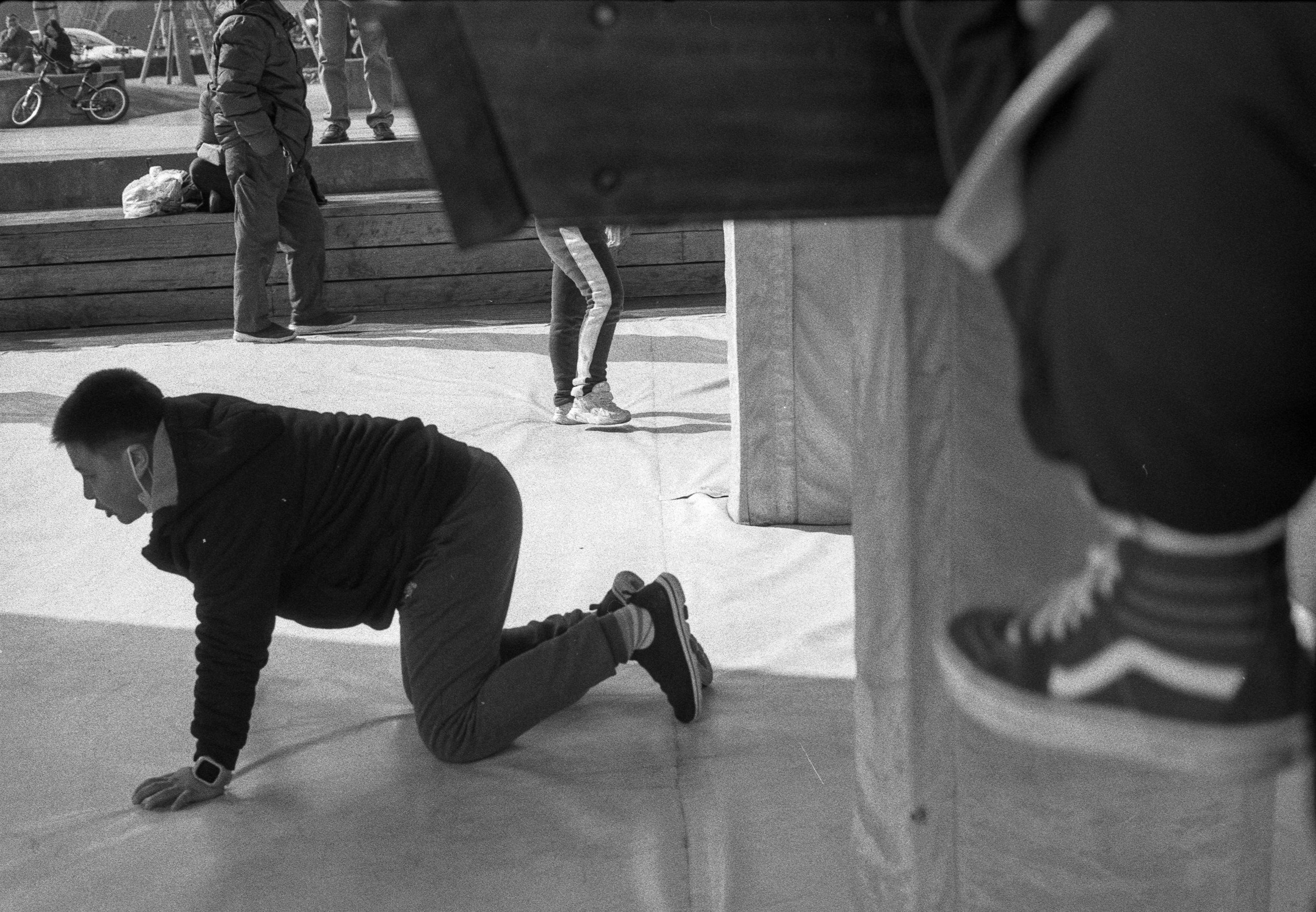
Why are falls such a big problem?
Falls are one of the leading causes of injury across the world, particularly among older adults. While a fall might seem like a minor accident, it can lead to serious consequences such as fractures, head injuries, loss of independence, and a decline in overall wellbeing. Emotionally, a fall can reduce confidence and create a fear of falling again. This fear sometimes causes individuals to reduce their activity levels, which can lead to muscle weakness, poorer balance, and an increased risk of future falls.
Preventing the first fall, or preventing repeat falls, is therefore a key part of maintaining health and independence. The encouraging news is that many falls are preventable. By understanding the causes of falls and taking practical steps to reduce risks, individuals, families, and healthcare providers can work together to create safer environments and support healthier ageing.
Common causes of falls?
Falls rarely happen because of a single factor. Instead, they often occur due to a combination of health conditions, environmental hazards, and lifestyle factors.
Poor balance and muscle weakness are among the most common causes. As people age, muscle strength and coordination may decrease if they are not regularly used - the old adage of “Use it or Lose it “ is very true
Medication side effects can also increase fall risk. Some medications may cause dizziness, drowsiness, or low blood pressure.
Vision problems can make it difficult to detect hazards such as steps, uneven flooring, or obstacles.
Environmental hazards within the home, such as loose rugs, poor lighting, or cluttered walkways can create trip hazards.
Footwear that lacks grip or support can also contribute to instability.
Understanding these risk factors is the first step in preventing falls.
Practical strategies to prevent falls.
Preventing falls involves a combination of improving physical health, making environments safer, and increasing awareness of potential risks.
Stay Active and Build Strength
Regular physical activity helps maintain muscle strength, flexibility, and balance. Exercises that focus on balance and strength - such as walking, yoga, or balance programmes—can significantly reduce the risk of falls. At ThamesPhysio Victoria can plan a programme of exercises for you to complete at home, to address any challenges that you may haveReview Medications
Healthcare professionals can review medications to identify any that may contribute to dizziness or balance problems. Adjusting dosage or switching medications may help reduce fall risk.Check Vision and Hearing
Regular eye tests ensure that vision problems are corrected early. Good vision helps people navigate their environment safely.Improve Home Safety
Simple changes in the home can make a significant difference. These may include:Removing loose rugs and clutter from walkways
Installing grab rails in bathrooms and stairways
Improving lighting, especially in hallways and staircases
Using non-slip mats in bathrooms and kitchens
Wear Safe Footwear
Shoes with good grip, a supportive sole, and a secure fit can improve stability when walking. Slippers can be very dangerous so it is very important to ensure slippers are well fitted.Use Mobility Aids When Needed
Walking sticks, frames, or other mobility aids can provide additional support and help individuals move safely. Victoria at ThamesPhysio can guide you on whether these types of aids are appropriate.
In Conclusion.
Preventing falls is not just about avoiding injury; it is about supporting independence and confidence in daily life. When people feel safe moving around their home and community, they are more likely to remain active, socially engaged, and physically healthy.
Falls are common but not inevitable. Through awareness, regular physical activity, safe home environments, and professional support, many falls can be prevented. By taking proactive steps today, individuals can maintain mobility, independence, and quality of life for years to come. Falls prevention is ultimately about empowering people to live safely and confidently because staying on your feet means staying active, independent, and able to enjoy life.
For further information on how ThamesPhysio can help with falls prevention or recovery from a fall call Victoria on 07813179825.