
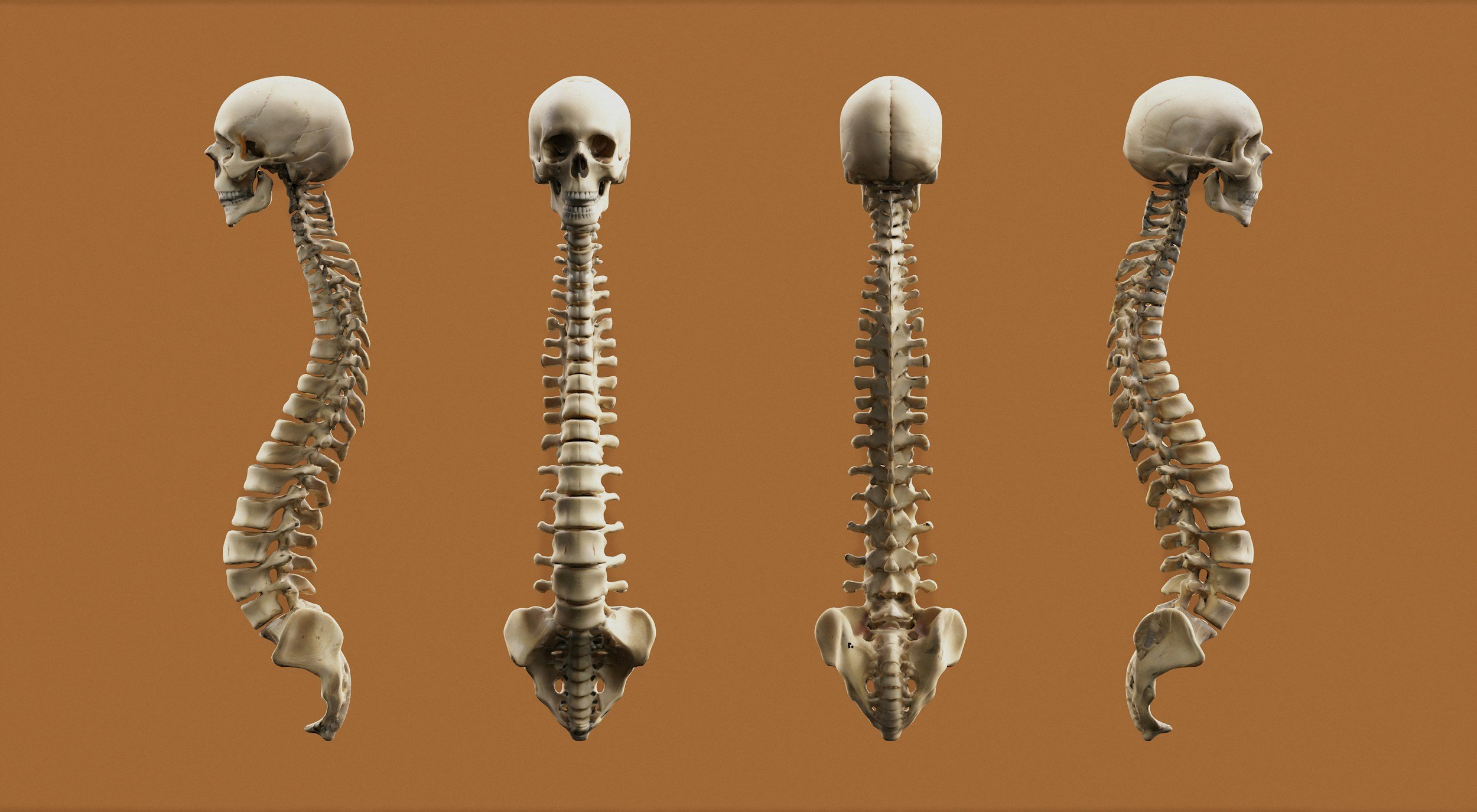
Low back pain is one of the most common reasons people seek physiotherapy. The good news is that most cases are non-specific low back pain, meaning there is no serious underlying injury or disease causing the pain.
As a Physiotherapist, one of the most important things I tell patients is that pain does not always mean damage. Your back is a strong, resilient structure, and in many cases the tissues have become sensitive rather than injured. However, no damage does not also mean no pain . This is very important to understand as it can be distressing to have low back pain but be told that imaging is normal.
What Causes Non-Specific Low Back Pain?
There is rarely one single cause. Instead, it is often linked to a combination of factors such as:
Prolonged sitting or reduced activity
Heavy lifting or sudden increases in activity
Muscle stiffness or weakness
Poor sleep
Stress or anxiety
Previous episodes of back pain
Should I Keep Moving?
Yes. While it may feel tempting to rest, staying active is one of the best ways to aid recovery. Gentle movement, such as walking or simple exercises, helps reduce stiffness, improves strength, and builds confidence in your back.
Do I Need a Scan?
In most cases, no. MRI scans and X-rays often show normal age-related changes that are also found in people without back pain. Unless there are signs of a more serious condition, scans rarely change treatment.
How Can Physiotherapy Help?
Physiotherapy focuses on helping you understand your pain, improve movement, and return to the activities you enjoy. Treatment may include:
Education about back pain
A personalised exercise programme
Advice on managing daily activities
Manual treatment where appropriate to facilitate movement and ability to exercise
Acupuncture
Support to return to work, sport, or hobbies
When Should I Seek Medical Advice?
Although uncommon, seek urgent medical attention if you experience:
Loss of bladder or bowel control
Numbness around the groin or saddle area
Weakness in your legs
Severe pain after a major injury
Fever, unexplained weight loss, or a history of cancer with new back pain
The Take-Home Message
Most episodes of non-specific low back pain improve with time, movement, and the right advice. Staying active, building strength, and understanding your pain are key to recovery.
If your back pain is affecting your daily life or isn't improving, Victoria at ThamesPhysio can help you develop a personalised plan to get you moving confidently again. Please give us a call on 07813179825